
The quality of teaching is determined not only by the curriculum or the number of students in the classroom. Teaching quality, the organisation of instructional strategies, and systematic professional development work play a key role. Student learning can be improved through a combination of pedagogical technologies, reflection, formative feedback, and competent management of the educational environment.
An effective school is built around clear goals, transparent assessment criteria, teacher collaboration, and regular analysis of practice. Below are specific recommendations for the classroom and for organising teachers’ work.
Tips for improving the learning process in the classroom
Modern classroom management requires a systematic approach. It is important to consider cognitive load, learner behaviour, scaffolding, dialogue methods, and formative assessment.
No. 1 Use technology consciously
Digital learning tools help increase student engagement and deepen understanding of the material. It is important to choose tools that support learning objectives rather than distract from them.
Online testing platforms, interactive assignments, digital concept maps, and lesson analysis systems allow you to:
- Return to prior knowledge
- Develop creativity
- Support behaviour management
- Receive formative feedback
A separate area is related to artificial intelligence. AI tools can analyse questioning, dialogue, scaffolding, and lesson structure, helping teachers to identify areas for growth.
No. 2 Develop reflection through practice analysis

Reflection is the foundation of professional growth. However, during a lesson, teachers perceive only a limited part of what is happening due to high cognitive load.
Using video recordings of lessons allows you to:
- See classroom interaction from the outside
- Evaluate your own instructional strategies
- Identify patterns of student behaviour
Regular reflection enhances metacognition in both teachers and students.
No. 3 Understand learner behaviour
A student’s behaviour in the classroom is related to their self-esteem, motivation, and social relationships. Learner behaviour theory emphasises that productive learning is only possible in a safe environment.
Practical steps:
- Formulate clear classroom expectations
- Use positive feedback
- Support, challenge, and scaffolding
- Reduce fear of making mistakes
- Provide space for discussion of ideas
Such an environment enhances engagement and promotes deep learning.
Tips for organising teachers’ work
The quality of teaching depends not only on a single class, but on the culture of the entire school. The professional learning community plays a key role.
No. 1 Develop professional collaboration
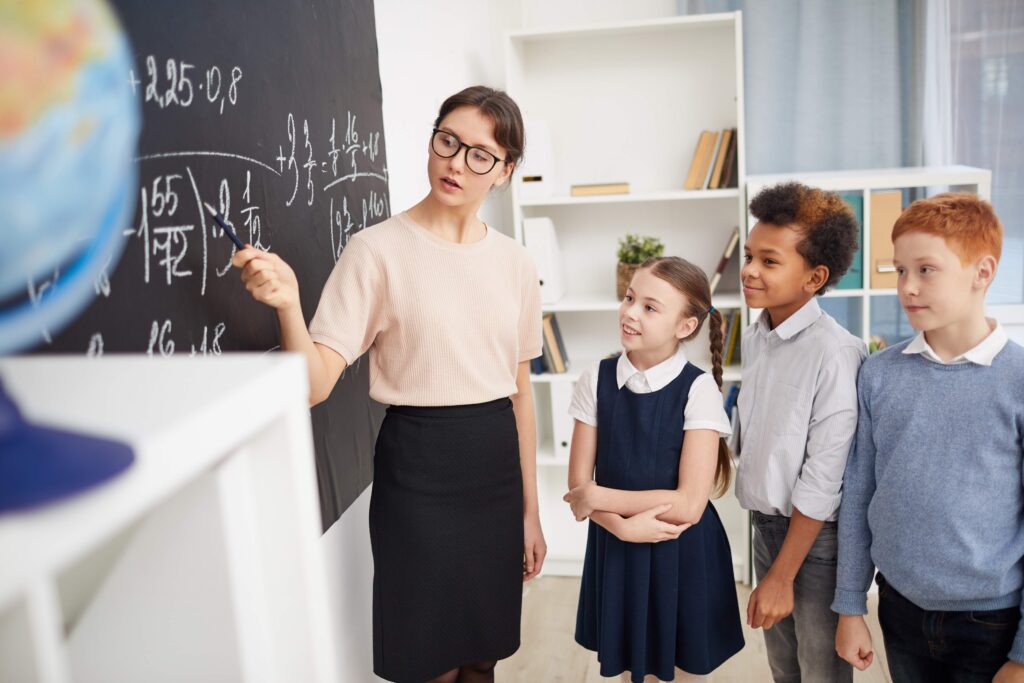
Regular communication between teachers fosters a collegial culture. Discussing lesson planning, exchanging teaching techniques, and jointly analysing difficult cases increase overall effectiveness.
Collaboration:
- Saves time
- Enhances knowledge sharing
- Reduces professional burnout
- Increases team stability
Mentoring and instructional coaching consistently show positive results in educational research.
No. 2 Foster a culture of gradual improvement
The development system should support a growth mindset. Strict performance management reduces initiative. Cycles of reflection, feedback, observation, and practice adjustment are more effective.
The focus should be on specific micro-changes in teaching practice, rather than on formal indicators. This approach enhances teacher autonomy and supports long-term professional growth.
No. 3 Analyse the needs of teachers
Personalised professional development is more effective than universal programmes. It is necessary to take into account the school’s context, staff’s level of experience, and their areas of professional interest.
Resource storage systems, lesson clip banks, planning templates, and progress analytics help build a transparent development model.
Conclusion
Improving student learning in the classroom is built on several factors: the conscious use of technology, the development of reflection, an understanding of learner behaviour, and clear instructional strategies.
At the school level, collaboration, open communication, and systematic professional development are important.
Effective education is not limited to a single tool or methodology. It requires coordinated work between the class and the teaching staff, constant analysis of practices, and careful attention to the educational environment.